Katja Washington · 24 October 2026
How Azure Quantum Advances Are Being Incorporated into University Curricula for Computer Science Students
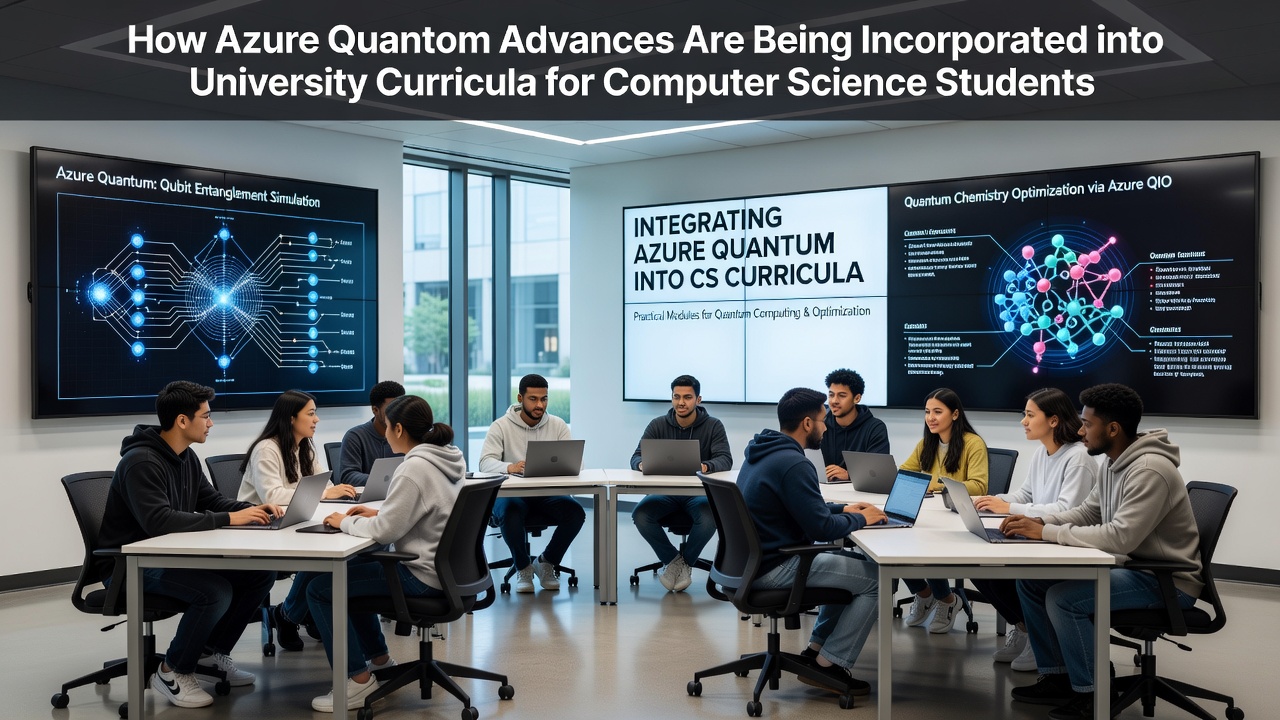
Computer science departments across multiple continents have started integrating Azure Quantum tools into undergraduate and graduate programs, and this shift reflects broader industry demand for quantum-ready skills. Universities report that students now access cloud-based quantum simulators and hardware through Microsoft Azure portals, which allows them to run algorithms without maintaining physical quantum machines on campus.
Faculty members at institutions in North America and Europe have redesigned introductory quantum information science courses to include Azure Quantum development kits, and these updates occurred as part of curriculum revisions finalized before the 2025 academic year. Students learn to write Q# code for quantum circuits while comparing results against classical simulations, which helps them understand superposition and entanglement through direct experimentation.
Partnership Models Between Microsoft and Academic Institutions
Microsoft has established formal collaborations with several universities that grant free Azure Quantum credits to enrolled computer science students, and these agreements often include access to dedicated learning pathways hosted on Microsoft Learn. Observers note that such partnerships reduce financial barriers for departments that lack dedicated quantum hardware budgets, which enables smaller programs to participate alongside larger research universities.
One case involves a consortium of Eastern European technical universities that adopted Azure Quantum labs in their algorithms courses during fall 2025, while similar initiatives appeared at Canadian and Australian campuses around the same period. Data from these programs shows increased enrollment in elective quantum modules, particularly among students already familiar with Python and cloud platforms.
Core Topics Now Covered in Updated Coursework
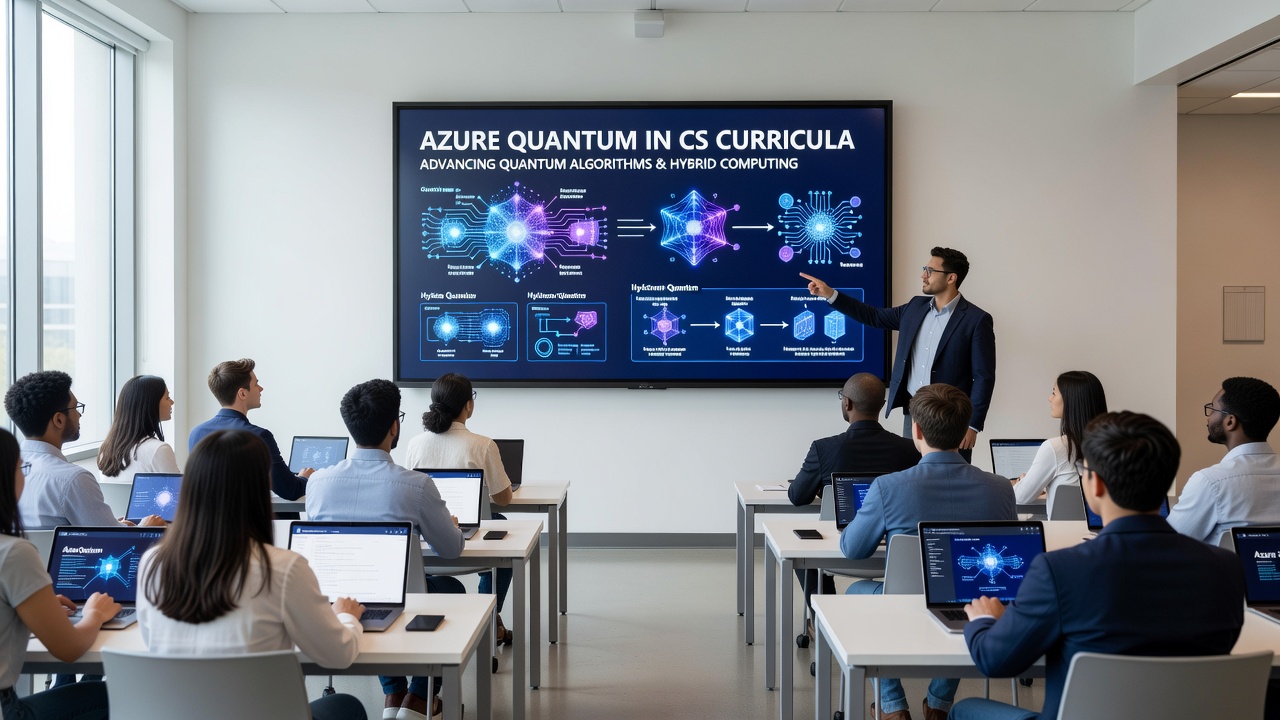
Curricula typically introduce quantum gates and measurement through Azure Quantum workspaces before progressing to more advanced subjects such as variational quantum eigensolvers and quantum machine learning prototypes. Instructors combine these exercises with traditional lectures on linear algebra and complexity theory, which creates a continuous thread between classical computer science foundations and emerging quantum methods.
By October 2026 several departments plan to expand these offerings with capstone projects that require students to optimize quantum circuits for specific hardware constraints available through Azure, and early pilot results indicate students complete such projects using the same SDKs employed by industry teams. Research indicates that hands-on access to real quantum processors via the cloud improves conceptual retention compared with purely theoretical instruction.
Assessment Methods and Student Outcomes
Professors evaluate student progress through a combination of coding assignments submitted directly to Azure Quantum notebooks and written analyses of algorithm performance metrics. These assessments often require learners to document resource usage and error rates observed during cloud executions, which mirrors documentation practices found in professional quantum computing teams.
Figures from participating programs reveal that graduates who completed Azure Quantum modules secured internships at companies exploring quantum applications in chemistry and optimization, while placement data continues to be tracked by university career offices. Instructors adjust project difficulty each semester based on hardware availability and simulator updates released by Microsoft.
Regional Variations in Implementation
North American universities tend to embed Azure Quantum content within existing quantum computing electives, whereas European programs frequently integrate the tools across multiple required courses in distributed systems and cryptography tracks. Australian institutions have focused on hybrid classical-quantum programming courses that leverage both Azure and local high-performance computing resources.
These differences arise from varying accreditation requirements and existing faculty expertise, yet all approaches share the goal of preparing students for a workforce where quantum skills increasingly appear in job descriptions from technology firms and research laboratories. Observers note steady growth in shared open-source repositories containing student-developed Azure Quantum examples, which further accelerates curriculum refinement across institutions.
Conclusion
University computer science programs continue to adapt Azure Quantum resources into structured learning pathways that blend theory with practical cloud experimentation. As hardware capabilities advance and educational credits remain available, more departments are expected to expand course offerings before the end of the decade. Students who complete these updated curricula gain exposure to tools already used in commercial quantum research, which positions them for roles that require both classical programming fluency and quantum algorithm design knowledge.